Mom Make Life Beautiful: A Designer’s Review
When I sit down to evaluate a new digital asset for my embroidery workflow, I am rarely looking for just another pretty image. As a designer who frequently produces custom apparel and boutique merchandise, I need to know how a design will translate from a screen to the fabric. Today, I am taking a close look at Mom Make Life Beautiful, a file marketed primarily for electronic cutting machines but widely sought after by embroiderers for its thematic resonance. My goal here is to strip away the marketing fluff and provide a practical assessment of how this design performs in real-world stitching scenarios, particularly for those of us running small shops or creating high-end personalized gifts.
First Impressions and Visual Personality
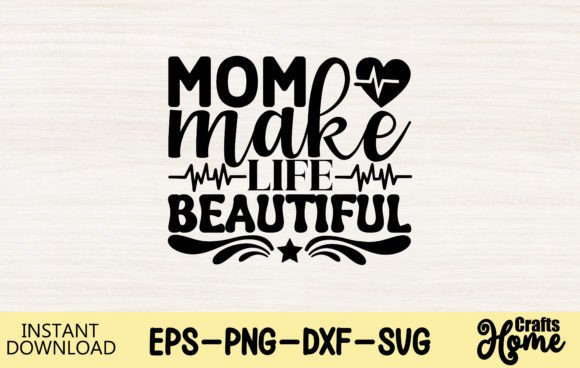
The title Mom Make Life Beautiful immediately sets a specific emotional tone. It is warm, affirming, and deeply personal. From a layout perspective, the design likely relies on a combination of script and block lettering, a common trope in the "mom life" niche that balances elegance with readability. When I first opened the files—provided in formats like EPS, SVG, DXF, and PNG—the visual hierarchy stood out. The phrase suggests a narrative of appreciation, making it an ideal candidate for maternal figures, grandmothers, or mother-daughter pairs.
However, as a professional reviewer, I must note that while the sentiment is strong, the execution depends entirely on how the lines are structured. In the world of machine embroidery design, text-heavy designs can be treacherous. If the curves are too tight or the spacing inconsistent, the final product can look cluttered rather than chic. This design appears to favor a clean, modern aesthetic, which translates well to various mediums. It feels less like a generic clipart and more like a deliberate typographic statement, which is crucial for maintaining brand consistency in a competitive market.
Real-World Application: Where Does It Shine?
To truly understand the value of Mom Make Life Beautiful, we have to imagine it stitched into existence. I envision this design performing exceptionally well on soft, textured fabrics where the message needs to feel tactile and comforting. Here is how it fits into specific project categories:
- Custom Apparel and Sweatshirts: This is perhaps the strongest use case. Embroidering this phrase across the chest of a heavyweight cotton sweatshirt creates an instant handmade product vibe. The durability of embroidery ensures that the message survives countless washes, making it a favorite for holiday gifts or Mother’s Day presents. The design’s versatility allows it to work on both light heather greys and deep navy blues, provided the thread contrast is managed correctly.
- Tote Bags and Market Totes: For the Etsy seller or craft fair vendor, a canvas tote bag embroidered with this phrase is a staple item. The stability of canvas provides an excellent foundation for stitch density, allowing for crisp edges without puckering. It appeals to shoppers who want functionality mixed with personality.
- Baby and Nursery Items: While the phrase is directed at moms, it also resonates in nursery decor. Stitching this onto a muslin blanket or a quilted pillow cover adds a sentimental touch that buyers are willing to pay a premium for. The softer aesthetic of baby items often benefits from lighter thread colors, such as blush pinks, creams, or soft golds, which complement the gentle nature of the message.
- Kitchen and Home Textiles: Aprons and tea towels are underrated canvases. An embroidered apron featuring Mom Make Life Beautiful transforms a utilitarian object into a cherished keepsake. The repetitive washing required in a kitchen setting makes embroidery superior to vinyl or heat transfer, which tend to crack or peel over time.
Critical Considerations and Potential Pitfalls
No design is perfect, and understanding where Mom Make Life Beautiful might struggle is just as important as knowing where it succeeds. Embroidery is a subtractive process in some ways—you are removing space to create form—and certain conditions can compromise the integrity of the stitch.
Small Hoop Sizes: If you attempt to digitize or stitch this design in a very small hoop (such as 4x4 inches), you risk losing detail. Tight lettering can merge together, turning distinct words into a blurry mass. I recommend using at least a 5x7 inch hoop to ensure the typography breathes and remains legible.
Fabric Texture and Stability: Stitching on highly textured fabrics, like chunky knits or bouclé wool, can obscure the design. The uneven surface prevents the needle from penetrating consistently, leading to skipped stitches or distorted shapes. Similarly, thin or stretchy fabrics require robust stabilizer backing. Without proper support, the tension of the fill stitch or satin stitch can cause the fabric to pucker, ruining the professional finish.
Dense Stitch Areas: If the design includes heavy decorative elements alongside the text, be mindful of the total stitch count. Excessive density can make the fabric stiff and uncomfortable to wear, particularly on garments like t-shirts or baby clothes. Always review the stitch map before committing to production to ensure a balance between visual impact and comfort.
Technical Notes for the Embroidery Designer
Before adding Mom Make Life Beautiful to your production queue, there are several technical checks every designer should perform. First, always test the design on scrap fabric that matches the weight and stretch of your final material. This reveals potential issues with thread breakage or tension settings that mockups cannot show.
Color selection is paramount. Since the original files may come in vector formats like SVG or DXF intended for cutting, you will need to assign appropriate thread colors in your embroidery software. Avoid low-contrast combinations, such as white thread on cream fabric, unless you are aiming for a subtle tonal effect. Instead, opt for high-contrast pairings like black on white, or metallic gold on navy, to enhance readability and visual appeal.
Furthermore, inspect the smaller details closely. Are there tiny serifs or delicate accents that might get lost in the stitching? If so, consider simplifying these elements during the digitizing phase to improve reliability. Finally, confirm the licensing terms. If you plan to sell finished items, ensure you have the commercial rights to use the design assets. Many digital products sold online have restrictions on how many physical items can be produced, so reading the fine print protects your business.
Final Verdict
Mom Make Life Beautiful is more than just a graphic; it is an emotional trigger that resonates with a broad audience. For designers specializing in personalized gifts and custom apparel, this design offers a reliable, emotionally charged option that stands up well to the rigors of machine embroidery. Its strength lies in its clarity and universal appeal, making it a safe yet effective choice for both hobbyists and seasoned entrepreneurs.
By approaching the design with careful attention to hoop size, fabric choice, and stitch quality, you can transform this digital file into a tangible piece of art that customers will treasure. Whether it ends up on a tote bag, a sweatshirt, or a nursery wall, the message remains clear: thoughtful design matters. For those looking to expand their catalog of craft business offerings, this design deserves a spot in your rotation, provided you respect the technical nuances of the medium.